
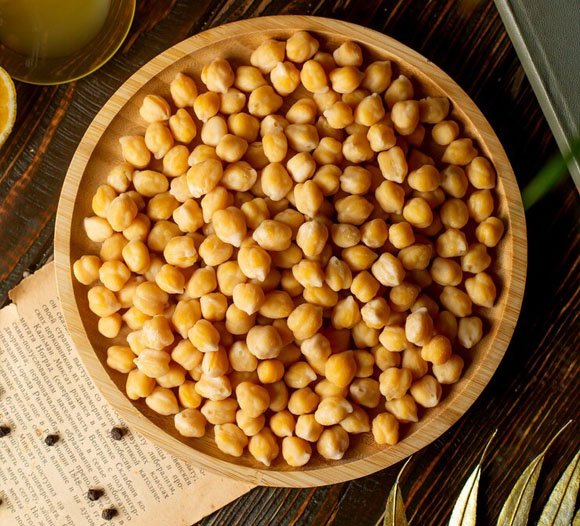
Chickpeas, also known as garbanzo beans, are a highly nutritious legume widely cultivated for their protein-rich seeds and important role in crop rotations. Grown primarily in countries like India, Australia, Turkey, and the United States, chickpeas thrive in semi-arid climates and are valued for their drought tolerance and ability to fix nitrogen in the soil, improving soil health for subsequent crops. There are two main types: Desi, which has smaller, darker seeds with a rough coat, and Kabuli, featuring larger, lighter-colored seeds with a smoother texture, commonly used in salads, hummus, and other culinary applications.
The chickpea market is influenced by factors such as weather conditions during planting and growing seasons, global demand driven by expanding vegetarian and vegan diets, and trade policies among major producing and consuming countries. Prices fluctuate based on supply levels, crop yields, and export volumes. USDA reports and international trade data provide critical insights for growers and traders to manage production risks and capitalize on market opportunities. With rising global interest in plant-based proteins, chickpeas have become an increasingly important crop in both nutritional and economic terms.